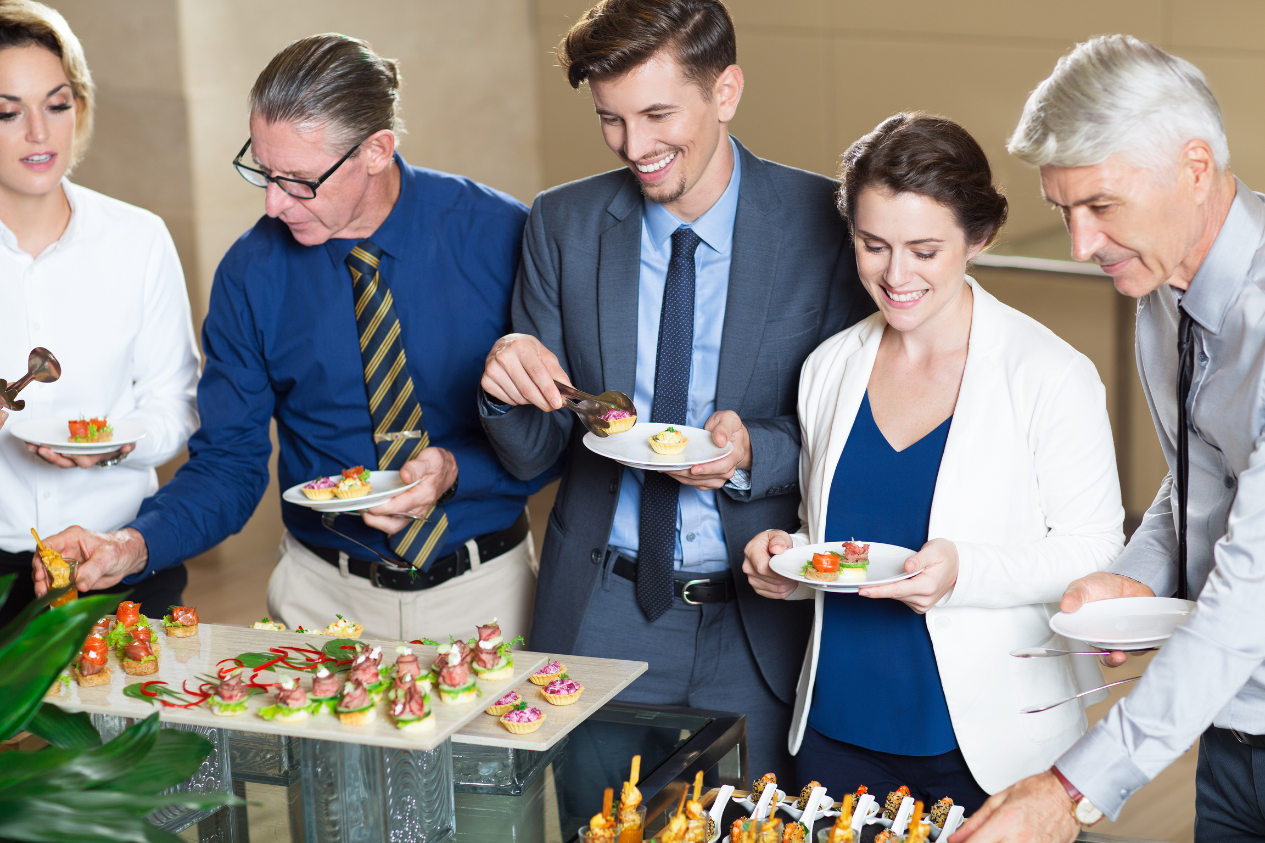
Festival Hospitality: What Food Events Teach About Guest Management & Staffing
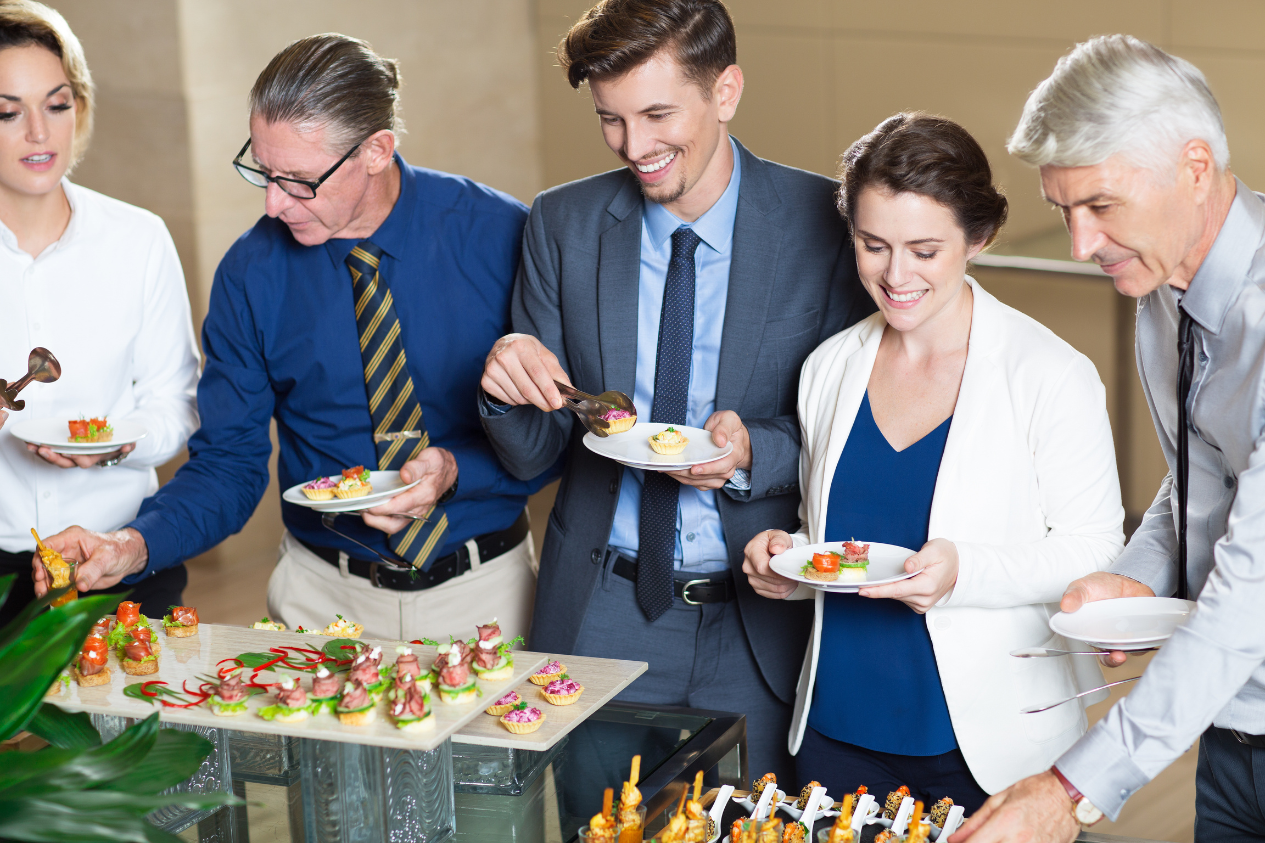
Large-scale food events and festivals are logistical marvels that are much more than just flavor celebrations. Every expertly presented dish and every happy customer is the result of a complex web of preparation, cooperation, and foresight. Whether it's a busy street food festival, a local cultural fair, or a high-end dining pop-up, these events provide priceless insights into effective staffing, guest experience, and hospitality management.
Food festivals function as compressed versions of the dynamic, high-pressure, and experience-driven hospitality sector. Festival operations show what really makes hospitality work, from managing erratic crowds to guaranteeing smooth coordination between chefs, servers, and event staff. Let's examine the main lessons learned about staffing and guest management from food events.
1. Anticipation: The Foundation of Managing Visitors
Understanding the audience is the first step in any successful event. Food festivals are successful because they anticipate the needs of their patrons, which include comfort, accessibility, and variety. This also holds true for hospitality operations in eateries or hotels.
Anticipating the needs of attendees at a festival entails planning for heavy traffic during busy times, setting up enough seating, creating user-friendly layouts, and maintaining hygienic standards. Organizers can improve their planning with the use of data-driven insights, including ticket sales, weather forecasts, and even local cultural preferences.
This translates to proactive service in the hospitality industry. Anticipation improves guest satisfaction, cuts down on confusion, and shortens wait times. The first step to becoming an expert in guest management is being able to anticipate and prepare for every potential guest behavior.
2. Management of Flow and Space
Movement is one of the most neglected facets of hospitality. Food festivals emphasize the value of flow for both operations and people. A festival site's layout guarantees easy access to and from stalls, rest areas, and activity areas.
The same rules apply in hotels or restaurants. Dining areas, service counters, waiting areas, and entryways must all follow the natural flow of visitors. A well-designed layout improves both the visitor experience and employee productivity, whereas poorly managed flow results in discomfort and inefficiency.
The lesson is to design with purpose. Even in the midst of chaos, service feels smooth when patrons and employees move with ease.
3. The Art of Managing Queues
Waiting is disliked by everyone. Queues are unavoidable at any successful food event, but they are also managed effectively. Festivals frequently employ human psychology (entertainment during waiting) and technology (such as time-slot entry or QR-based ordering) to make the experience feel less like a wait and more like an integral part of the event.
The same strategy is very effective in the hospitality sector. A possible annoyance can be reduced with the help of welcoming staff interactions, comfortable waiting areas, and clear communication regarding wait times. A key component of genuine hospitality is empathy, which is reflected in effective queue systems.
4. Interaction: The Invisible Link
Food festivals are like living things, with hundreds of moving parts that are coordinated by communication. Everyone depends on timely and succinct updates, including volunteers, security, chefs, and coordinators.
Communication is just as important in restaurants and hotels. A neglected instruction may result in poor service or unhappy customers. Consistency and clarity are ensured by establishing clear channels of communication, whether they are digital or face-to-face.
Festivals also emphasize how important manners and tone are. Visitors anticipate friendliness, lucidity, and promptness. Communication must contain both information and empathy, whether a chef is describing a dish or a volunteer is giving directions.
5. Staffing: The Backbone of Every Experience
Staffing is the foundation of a festival, if the food is its center. Teams must be adaptable and well-trained due to the size and variety of festival operations. From servers and chefs to crowd controllers and logistics managers, there are many different roles. Each contributes to the overall experience.
Finding the ideal balance between skill and flexibility is key to effective staffing, not just numbers. Staff members are taught to multitask, be quick-thinking, and deal with last-minute changes during food events. Given how quickly guest expectations can change in the hospitality industry, this agility is a crucial lesson.
Employee morale is equally important. Festivals frequently operate under extreme pressure for extended periods of time; to sustain enthusiasm, careful planning, sufficient breaks, and gratitude are necessary. Leaders in the hospitality industry can learn that contented teams translate into satisfied customers.
6. Managing Emergencies and Emergencies
Unexpected problems like supply shortages, technical difficulties, unexpected crowd surges, or weather disruptions can arise at even the most meticulously planned events. Successful event management is characterized by the capacity to react coolly and effectively.
This flexibility has a direct bearing on hospitality. Crisis management is a daily occurrence, whether it's a last-minute surge in reservations or a kitchen accident. Food festivals show the value of prompt decision-making, explicit delegation, and prepared backup plans. Being ready not only fixes issues but also gives visitors peace of mind that they're in good hands.
7. Technology as a Quiet Assist
From ticketing and crowd management to feedback gathering and menu curation, technology plays a major role in modern food events. Organizers have real-time control thanks to digital dashboards, point-of-sale systems, and data analytics tools.
This integration can be replicated in the hospitality sector, which uses technology to increase productivity rather than replace human interaction. AI-driven personalization, smartphone ordering, and automated check-ins enhance the visitor experience while allowing employees to concentrate on meaningful interactions.
Festivals serve as a reminder that creativity and hospitality go hand in hand. The overall experience gets stronger the more smoothly technology helps people.
Hospitality as an Ongoing Festival
Each food festival is a microcosm of the dynamic, unpredictable, people-focused, and fulfilling hospitality industry. Their teachings influence how we view service in general and go beyond crowd control and dishwashing.
From foreseeing needs to managing emergencies, from motivating teams to welcoming innovation, festival hospitality teaches one timeless lesson: visitors may come for the food, but they stay for the treatment. And when all the operational and human elements work together, hospitality transforms from service to celebration.
Follow Foodism Connect for more such insights!!!
Related Blogs
Tourism Season Surge: How Travel Demand Fuels Hospitality Hiring
832 Views
Hiring for the F&B Frontier: Inside India’s Growing Bakery & Dessert Industry
819 Views
.png)
The Rise of Boutique Hotels: Recruiting for Experience, Not Size
717 Views

The Rise of Boutique Hotels: Recruiting for Experience, Not Size
643 Views
Top 5 Hospitality Roles Most in Demand This Quarter
689 Views
