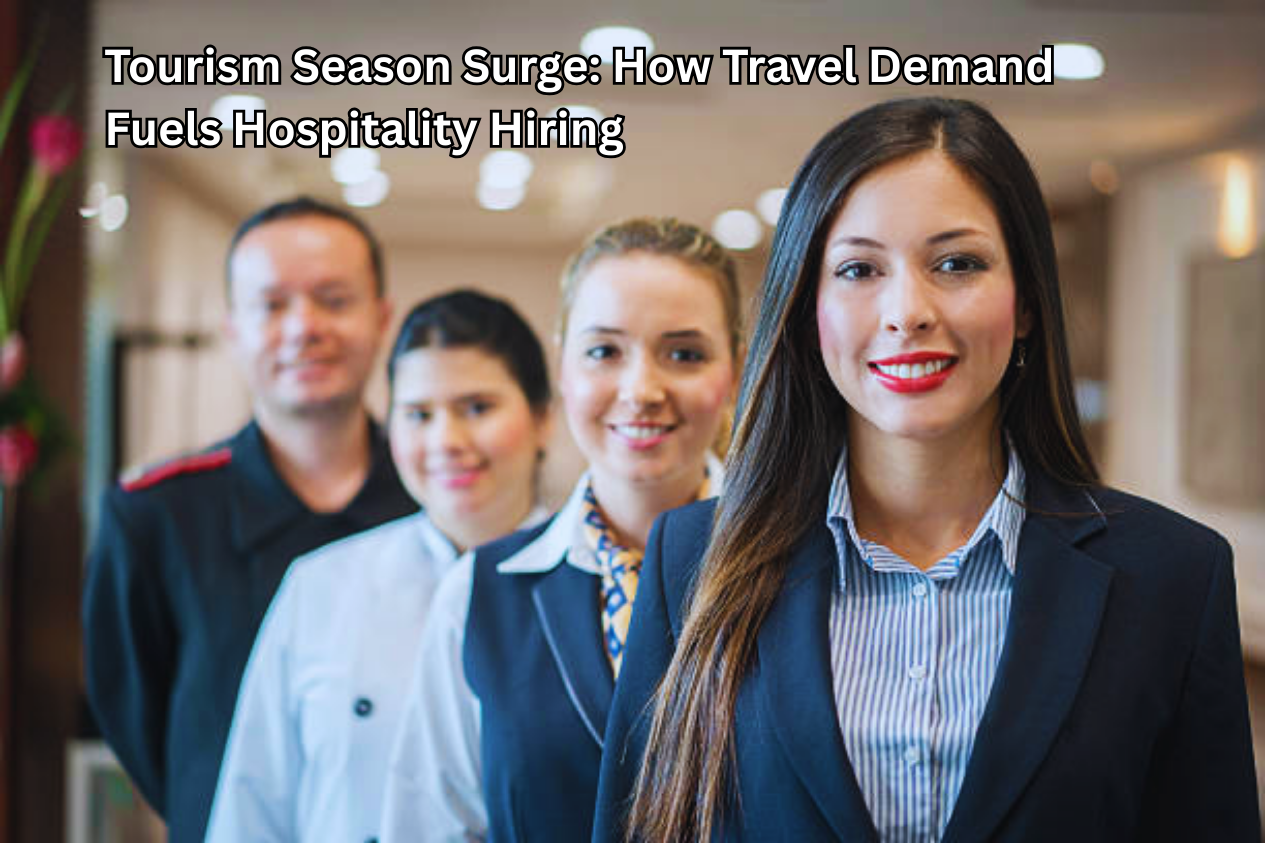
Tourism Season Surge: How Travel Demand Fuels Hospitality Hiring
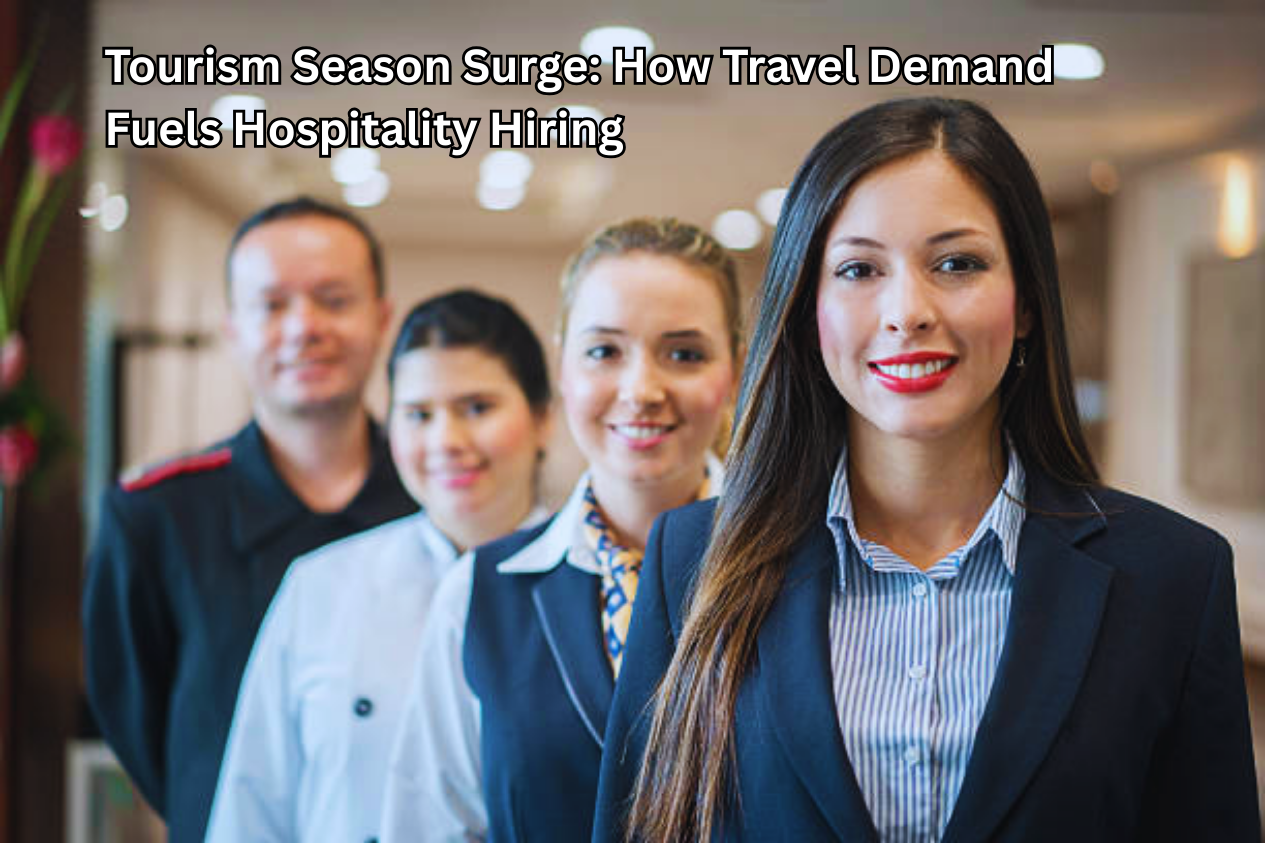
Every year, as the sun warms up, the holidays line up, and flight searches skyrocket, something remarkable happens across the world of travel and hospitality: a pulse. A rhythmic, predictable quickening of movement as people begin planning their getaways, families circle dates on calendars, and friends ask that magical question—“Where to next?”
This seasonal spike in travel is more than just an increase in reservations for the hospitality sector; it is the catalyst for one of the biggest hiring and workforce growth cycles. Travel agencies polish their itineraries, restaurants anticipate more customers, hotels get ready to receive visitors from all over the world, and experiences—from wellness retreats to adventure tours—get ready to create lifelong memories.
A vast number of individuals, including hotel managers, chefs, front desk executives, travel coordinators, guest relations associates, tour guides, housekeeping staff, digital marketing teams, and many more, are responsible for these unforgettable experiences. And companies rush to locate them every season.
This blog will highlight why tourism season fuels hospitality hiring—and how the industry evolves with the ebb and flow of travel demand.
The Seasonal Rhythm of Travel Demand
By its very nature, tourism is seasonal. Even though tourists visit places all year round, their busiest times of year vary—summer in Europe, the holidays in India, winter getaways in Southeast Asia, the monsoon season that propels travel to hill stations, and so forth.
The hiring cycle is determined by each region's tourism calendar:
- Leisure travel is fueled by the holidays.
- Domestic travel is increased during festival seasons.
- Long weekends encourage impromptu vacations.
- Seasonal variations in the weather draw adventure seekers.
- Temporary increases in travel are caused by international events such as concerts, cricket World Cups, and expos.
A straightforward economic principle underlies this increase in travel: greater demand necessitates more personnel. To handle full occupancy, hotels need more employees, restaurants need bigger teams, and travel agencies grow their businesses. Without sufficient personnel, even the most reputed hospitality brands risk compromised service quality.
Why Hotels Are the First to Feel the Impact
Hotels must strike a careful balance: if there are too few workers, the guest experience will suffer; if there are too many, payroll will increase unnecessarily. Peak season therefore affects them the most. A number of hotel operations areas need to be strengthened as booking rates rise:
1. Guest relations and the front desk
Concierge services are booming, check-ins are increasing, and visitors frequently require assistance getting around the property or the neighborhood. The front desk turns into a hub, and more employees guarantee easy, cordial, and effective guest service.
2. Maintenance and Housekeeping
There will be more room turnovers, laundry loads, and maintenance requirements as the number of guests increases. Hotels depend on well-organized housekeeping crews, which frequently triple in size during busy times, to uphold the industry's gold standard of cleanliness.
3. Teams in charge of food and beverage (F&B)
Activity peaks at restaurants, cafés, banquet spaces, poolside bars, and in-room dining areas. The addition of chefs, commissions, stewards, bartenders, and servers is crucial to preserving the caliber and speed of service.
4. Banquet and Event Personnel
Peak travel times frequently coincide with conferences, corporate offsites, and wedding seasons. Banquet teams grow to manage service lines, event logistics, décor requirements, and consecutive events.
In order to ensure that training is finished and teams are ready to handle the spike, hotels frequently start hiring months before the season starts.
Restaurant and Culinary Space Rush Hour
Restaurants—particularly those in popular tourist destinations—feel the effects of seasonality far more dynamically than hotels, which follow predictable patterns.
The Need for Culinary Efficiency
Restaurants need to expand their kitchen and service staff in order to accommodate tourists who are keen to sample local cuisine. Demands during the busiest season:
- To handle more orders, more chefs and line cooks are needed.
- Service personnel for a faster turnover period
- Bookings will be handled by reservation managers.
- To coordinate supply chains, inventory managers
The demand for qualified hospitality talent soars, and the dynamic culinary scene gets even faster.
The Increase in Staffing in the Travel Industry
More workers are needed for the travel industry as a whole, not just for lodging and dining establishments.
Local Experiences & Tour Operators
Seasonal hiring is essential for adventure companies, eco-tourism camps, heritage walk curators, sightseeing groups, and theme parks. Experience hosts, activity planners, safety specialists, and trained guides become indispensable.
Logistics and Transportation
With more passengers:
- More employees are needed in airport lounges.
- Rental car companies grow their fleets and teams.
- Operators of luxury buses expand their routes.
- Additional cabin and deck crew are hired by cruise lines.
Numerous ancillary services are impacted by tourism, and each one requires qualified staff.
The Growth of Behind-the-Scenes and Hybrid Positions
Today's tourism is digital as well as physical. Another area of hospitality hiring has experienced significant growth as a result of the rapid online travel planning trend:
Online and Digital Travel Assistance
Teams are employed by businesses for:
- Customer service
- Planning an itinerary
- Help with travel documentation
- Technical assistance for booking platforms and apps
- Digital marketing and social media
Before the actual journey starts, these positions make sure that digital journeys run smoothly.
The Secret Foundation of Seasonal Preparation: Upskilling
Hiring in the hospitality industry aims to prepare the workforce, not just fill jobs. Every season, businesses make significant investments in:
- New employee training initiatives
- Crisis management and guest relations workshops
- Sessions for emergency handling
- Providing food safety and high-volume cooking training to kitchen employees
- Development of soft skills for teams that interact with customers
Teams that are well-prepared result in more satisfied customers, more efficient operations, and increased brand loyalty. This is particularly important during the busiest time of year, when people have higher expectations.
Looking Ahead: A Future of Smarter, More Strategic Hiring
The hospitality sector is changing. The way companies staff their operations is changing due to automation, AI-based hiring, sustainable tourism, and customized travel experiences. Seasonal hiring will continue to be a mainstay, but it will become more intelligent, experience-based, and data-driven.
A workforce that is trained, quick-thinking, service-driven, and sympathetic will be necessary for hospitality brands as more tourists choose meaningful journeys over traditional vacations.
Follow Foodism Connect for more information.
Related Blogs
Tourism Season Surge: How Travel Demand Fuels Hospitality Hiring
826 Views

Hiring for the F&B Frontier: Inside India’s Growing Bakery & Dessert Industry
812 Views
.png)
The Rise of Boutique Hotels: Recruiting for Experience, Not Size
713 Views

The Rise of Boutique Hotels: Recruiting for Experience, Not Size
636 Views
Top 5 Hospitality Roles Most in Demand This Quarter
682 Views
