Hiring for the F&B Frontier: Inside India’s Growing Bakery & Dessert Industry
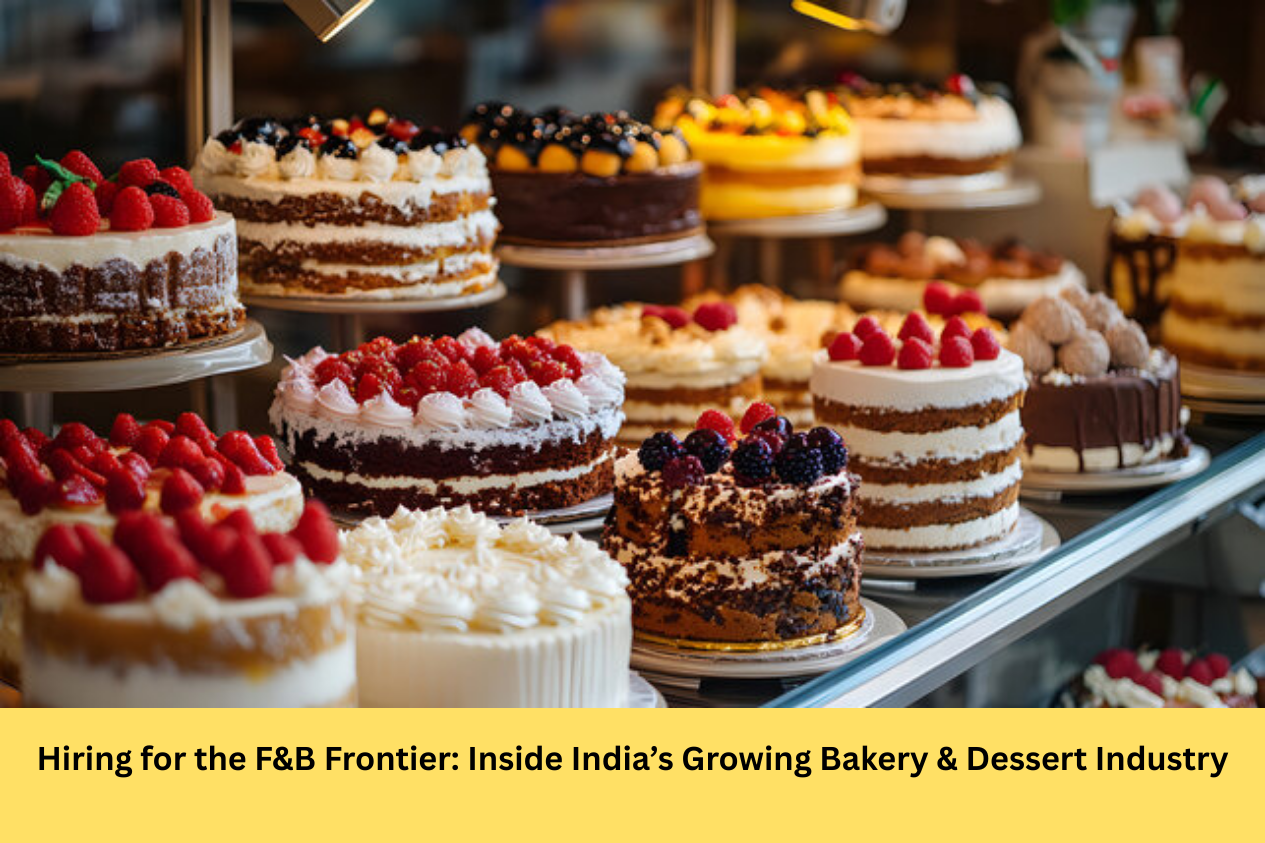
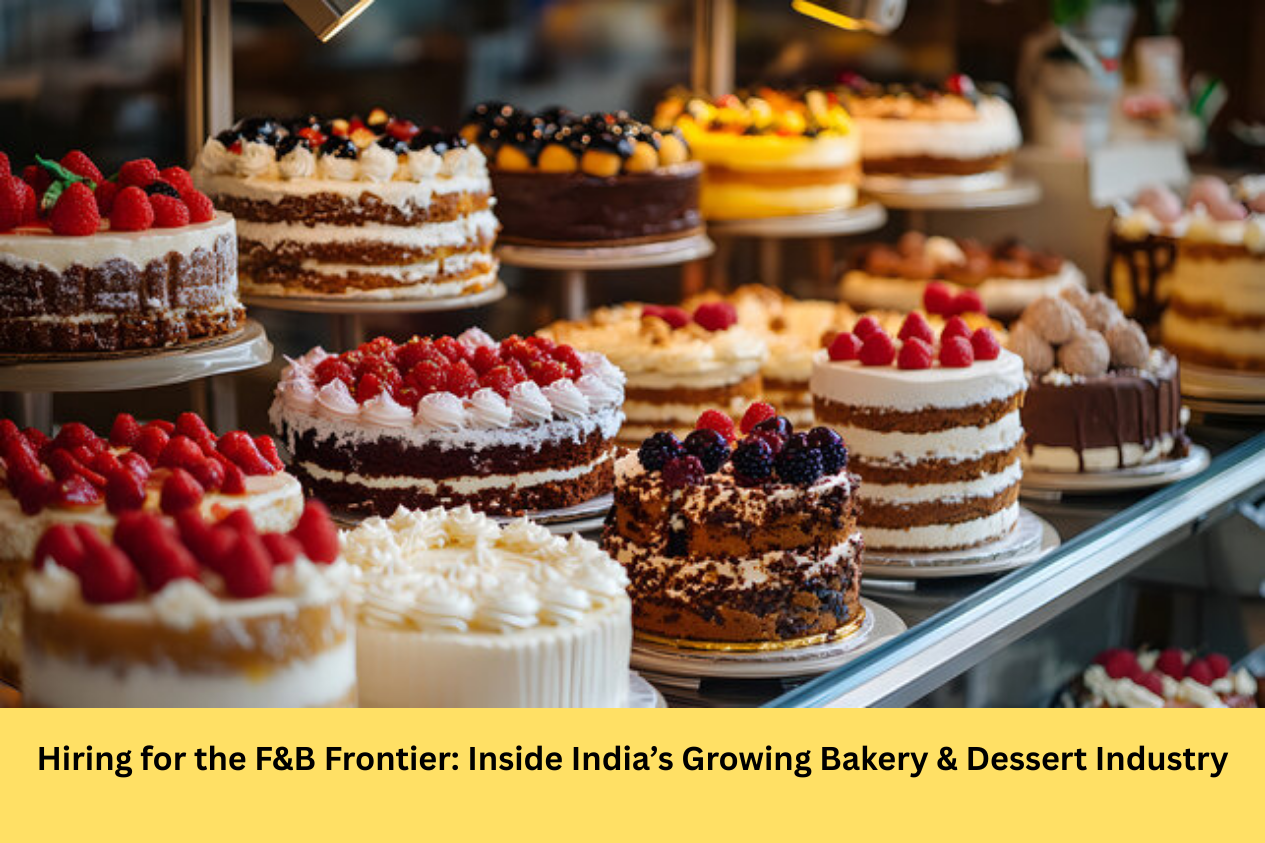
Although the food and beverage industry in India has always been vibrant, few sectors have seen such a sweet boom as the bakery and dessert sector. This market has developed into one of the most dynamic and competitive areas of the hospitality industry, encompassing everything from gourmet dessert cafés to artisanal patisseries and in-house cloud bakeries.
Every expertly layered tiramisu, elaborately frosted cupcake, or mouthwatering croissant is the result of both culinary artistry and careful staffing. Hiring the right talent—creative yet operationally sound—has become crucial in determining success or mediocrity as the bakery and dessert scene grows.
Professionals who can combine creativity and business acumen, craftsmanship and consistency, and aesthetics and efficiency are needed in this rapidly expanding industry. Here's a closer look at the factors influencing this demand, the evolving nature of staffing models, and the criteria for success in India's expanding bakery and dessert industry.
1. The Sweet Boom: The Dessert Revolution in India
Urbanization, digital delivery channels, and growing disposable incomes are expected to propel India's bakery and dessert market to surpass ₹60,000 crore by the end of this decade. More significantly, desserts have evolved into experiences that are related to indulgence, mood, and lifestyle.
Customers now seek both innovation and authenticity, as evidenced by the rise of fusion mithai boutiques in Delhi and French-inspired pâtisseries in Mumbai. The hiring landscape has been further expanded by the segment's expansion into Tier 2 and Tier 3 cities, which has increased demand for qualified bakers and pastry artists across the country.
Businesses must strike a balance between art and scale as the market diversifies, and strategic hiring is the first step in that process.
2. Changing Skill Sets in Staffing Bakeries
In the past, traditional bakeries prioritized production efficiency through standard recipes, volume baking, and simple frosting. However, today's dessert operations need experts who comprehend:
- Food aesthetics and culinary design
- Balance between nutrition and ingredient science
- Cleanliness and quality control
- Storytelling and customer interaction
The most desirable workers are not only bakers but also culinary artists who can experiment without sacrificing quality.
Employers are increasingly seeking hybrid talent, such as product developers who are aware of both trends and consumer preferences, digitally savvy managers who can advertise on Instagram, and chefs who can control costs.
3. The Development of Concept and Boutique Bakeries
Boutique bakeries place an emphasis on individuality and craftsmanship, in contrast to large factories. Whether it's vegan indulgence, sustainable baking, or regional reimaginings like saffron macarons or coconut-jaggery cakes, each store becomes a reflection of a vision.
In addition to skill, these establishments hire people who share their brand philosophy. While a nostalgic mithai brand might look for pastry chefs with experience in Indian flavors, a vegan bakery values hiring people who understand plant-based ingredients.
To put it briefly, staffing now reflects branding. The ideal team embodies the idea rather than merely following recipes.
4. The Industry is Being Reshaped by New-Age Roles
New positions are appearing throughout the ecosystem as bakeries move beyond counter sales to e-commerce, catering, and experience-driven retail:
- Pastry artists and innovation chefs are in charge of developing menus, coming up with new flavors, and creating visually appealing designs.
- Production managers are in charge of scaling recipes without sacrificing their artisanal quality.
- Visual marketers and food stylists are essential for online brand identity and digital storytelling.
- R&D technologists create sustainable or healthier dessert substitutes.
- Logistics, inventory, and hygiene systems are integrated by F&B operations managers.
This development reflects a more general reality: the bakery industry is a creative endeavor that calls for interdisciplinary cooperation and is no longer solely reliant on culinary expertise.
5. Difficulties in Hiring in the Dessert & Bakery Sector
Staffing is still one of the most difficult issues in spite of the expansion. Among the persistent problems are:
- Lack of Skill: There aren't many skilled pastry chefs and decorators, particularly outside of major cities.
- Retention: Skilled bakers frequently start their own businesses.
- Workload Intensity: Extended production times, ingredients that are sensitive to temperature changes, and holiday rushes put stamina to the test.
- Training Gaps: A lot of institutions emphasize traditional baking methods rather than cutting-edge patisserie innovation.
As a result, there is an increasing need for training collaborations between culinary schools and brands to close the knowledge gap between academia and practical operations.
6. Upskilling and Training: The Competitive Advantage
These days, progressive bakeries and dessert chains make significant investments in internal training. The objective is to create self-evolving teams, whether through workshops on digital marketing, recipe standardization, or seasonal innovation challenges.
Additionally, upskilling encourages retention. Loyalty arises naturally when workers believe their innovation and development are appreciated. Internal mentorship programs have been set up by well-known companies like Theobroma, Smoor, and La Folie, where senior chefs instruct juniors in presentation and technique.
Consistency, morale, and brand legacy are all benefits of this investment.
7. Women at the Center of Staffing in Bakeries
One of the highest rates of female participation in India's F&B sector is found in the bakery and dessert sector. Both an entrepreneurial spirit and skill-based empowerment are driving the success of women-led bakeries and all-women kitchens.
The significance of inclusive hiring is becoming more widely acknowledged in recruitment strategies. Top female talent is attracted and retained when employers provide safe working conditions, skill development opportunities, and flexible work schedules.
This inclusivity is not only morally right, but also calculated. Diverse teams in creative industries create more inventive, emotionally impactful products, according to studies.
The Human Ingredient
Fundamentally, the revolution in Indian baking and desserts is a tale of people—their zeal, accuracy, and tenacity. Dough can be mixed by machines, but only people can add flavor with their hearts.
The workforce will remain the industry's biggest differentiator as the F&B frontier grows. The next generation of delectable and unforgettable dessert experiences will be shaped by hiring people with creativity, empathy, and perseverance.
Bakeries that hire people with soul as well as skill will succeed in the future because, in the hospitality industry, people are always the true secret ingredient.
Related Blogs

Tourism Season Surge: How Travel Demand Fuels Hospitality Hiring
824 Views
Hiring for the F&B Frontier: Inside India’s Growing Bakery & Dessert Industry
810 Views
.png)
The Rise of Boutique Hotels: Recruiting for Experience, Not Size
710 Views

The Rise of Boutique Hotels: Recruiting for Experience, Not Size
634 Views

Top 5 Hospitality Roles Most in Demand This Quarter
681 Views
