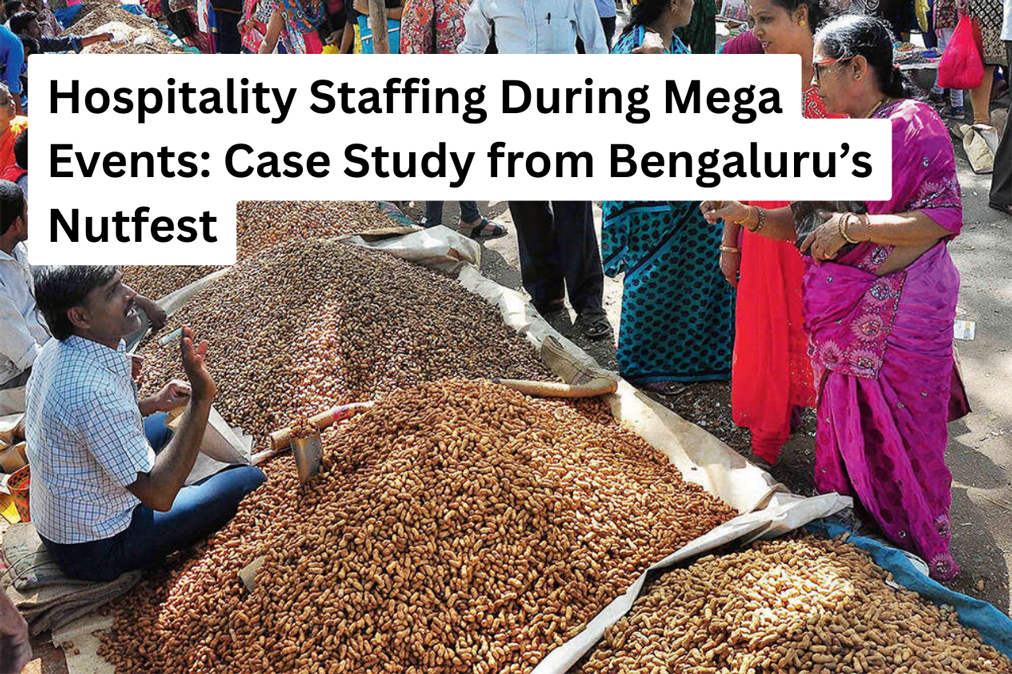
Hospitality Staffing During Mega Events: Case Study from Bengaluru’s Nutfest
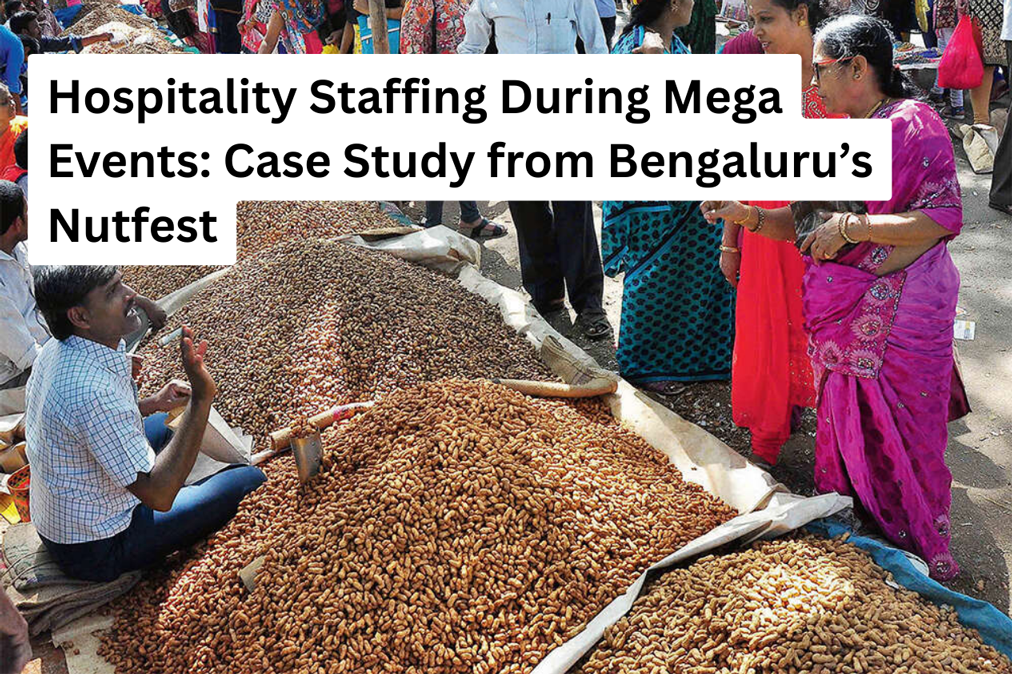
The ultimate test of a city's hospitality ecosystem is a mega event. They push the limits of coordination, planning, and flexibility, particularly in the area of staffing. A fascinating example of how big events handle the delicate balance between staff, guest experience, and operational excellence is Bengaluru's Nutfest, one of India's most lively food and lifestyle festivals honoring nuts, wellness, and culinary innovation.
During such events, hospitality staffing is about efficiency, skill alignment, and real-time flexibility, not just numbers. The annual Nutfest in Bengaluru, which attracts thousands of tourists, foodies, and exhibitors, provides valuable insights into how staffing tactics can influence both event success and guest satisfaction.
1. Being aware of the scope and scale
The first difficulty in staffing a large event such as Nutfest is figuring out how big it is. Families, foodies, traders, and health-conscious shoppers are among the varied audiences that the festival draws. It has several areas, such as workshops, retail areas, live kitchens, and tasting counters.
Different staffing strategies are needed in each of these areas. For example:
- Frontline employees oversee ticketing, guest flow, and inquiries.
- Food safety, sampling, and preparation are supervised by culinary teams.
- Inventory management and vendor coordination are handled by operations and logistics teams.
- Managers of hospitality make sure that guests are comfortable and that feedback is handled.
The range of duties necessitates thorough manpower planning well in advance of the event. To find both temporary and permanent employees who are suited to festival conditions, planners frequently begin hiring and training employees at least one month in advance.
2. The Hiring Mix: Temporary vs. Permanent Employees
A combination of seasoned pros and skilled temporary workers is essential for mega events. The core hospitality team at Nutfest was drawn from Bengaluru's booming hotel and catering industry, guaranteeing professionalism and adherence to service standards.
But more help was needed to handle the festival's enormous footprint. Through collaborations with organizations and institutions, local hospitality students and part-time event workers were recruited. This strategy guaranteed cost effectiveness while providing young professionals with practical event management experience.
Balance is the most important lesson. While relying exclusively on permanent teams can drive up costs, an excessive reliance on temporary workers can lower service quality. Consistency and agility are guaranteed by the proper combination.
3. Pre-Event Training and Role Clarity
All employees, both temporary and permanent, received organized training prior to Nutfest opening. The topics of these sessions included emergency response, guest handling, communication, and hygienic practices. Additionally, the organizers placed a strong emphasis on role clarity, making sure that everyone was aware of their duties and reporting lines.
During live operations, this pre-event orientation significantly decreased confusion. Because everyone was aware of the service standards, who to report to, and how to escalate problems, it also promoted accountability.
Such preparation is crucial in the hospitality industry. Guest satisfaction becomes a natural rather than a fortunate outcome when teams are in sync prior to the event.
4. Rotation of Services and Crowd Control
One of the defining features of Nutfest was its dynamic crowd. Weekends and afternoons saw the highest volume of visitors, necessitating flexible staffing arrangements. Organizers adopted a service rotation model, where staff operated in shifts covering front-end and back-end roles alternately.
There were two reasons for this rotation:
- It ensured sustained energy over extended periods of time by preventing fatigue.
- Employees were exposed to a variety of event hospitality facets, allowing for cross-functional exposure.
This model highlights a crucial idea for hospitality companies: flexible staffing maintains teams' motivation and operational acuity, particularly during times of high pressure.
5. Staffing Assisted by Technology
The success of Nutfest's staffing was largely due to technology. Digital dashboards were used by the organizers to track crowd density, task completion, and attendance in real time. Communication apps removed the delay of manual coordination by instantly connecting supervisors with teams on the ground.
Staff could be redirected to areas with more foot traffic or urgent needs thanks to this tech integration. For instance, additional volunteers were sent out in a matter of minutes during a rush at the tasting counters.
For those working in the hospitality industry, the lesson is obvious: technology improves accuracy rather than replaces labor. Tools for communication and real-time visibility have the potential to revolutionize large-scale staffing management.
6. Designing for Guest Interaction and Experience
Staffing in the hospitality industry involves more than just logistics; it involves emotion as well. Employees who interacted with guests at Nutfest received training on how to be friendly, vivacious, and culturally aware. Locals, tourists, and foreign visitors made up Bengaluru's multicultural audience, and they all expected a warm welcome.
Little things like staff members greeting guests in several languages, providing proactive directions, and guiding them through the highlights of the event made a big difference. These actions created sentimental bonds that shaped the festival's image.
This highlights the value of soft skills for the hospitality sector. While operational effectiveness and technical know-how are important, it's communication and empathy that make the experiences memorable for visitors.
People First, Always
Bengaluru's Nutfest was fundamentally a celebration of people rather than just food. Its people-first approach helped the event succeed, from the chefs creating nut-based treats to the volunteers maintaining a tidy, secure, and happy environment.
Nutfest serves as a reminder that human interaction is still essential to excellence in the fast-paced hospitality industry, where automation and scale frequently take center stage in conversations. Even the most complicated event seems simple to guests when teams are trusted, inspired, and trained.
When done correctly, hospitality staffing defines an event rather than merely supporting it.
Related Blogs

Tourism Season Surge: How Travel Demand Fuels Hospitality Hiring
832 Views
Hiring for the F&B Frontier: Inside India’s Growing Bakery & Dessert Industry
819 Views
.png)
The Rise of Boutique Hotels: Recruiting for Experience, Not Size
717 Views

The Rise of Boutique Hotels: Recruiting for Experience, Not Size
643 Views
Top 5 Hospitality Roles Most in Demand This Quarter
689 Views
